 Meducationline365
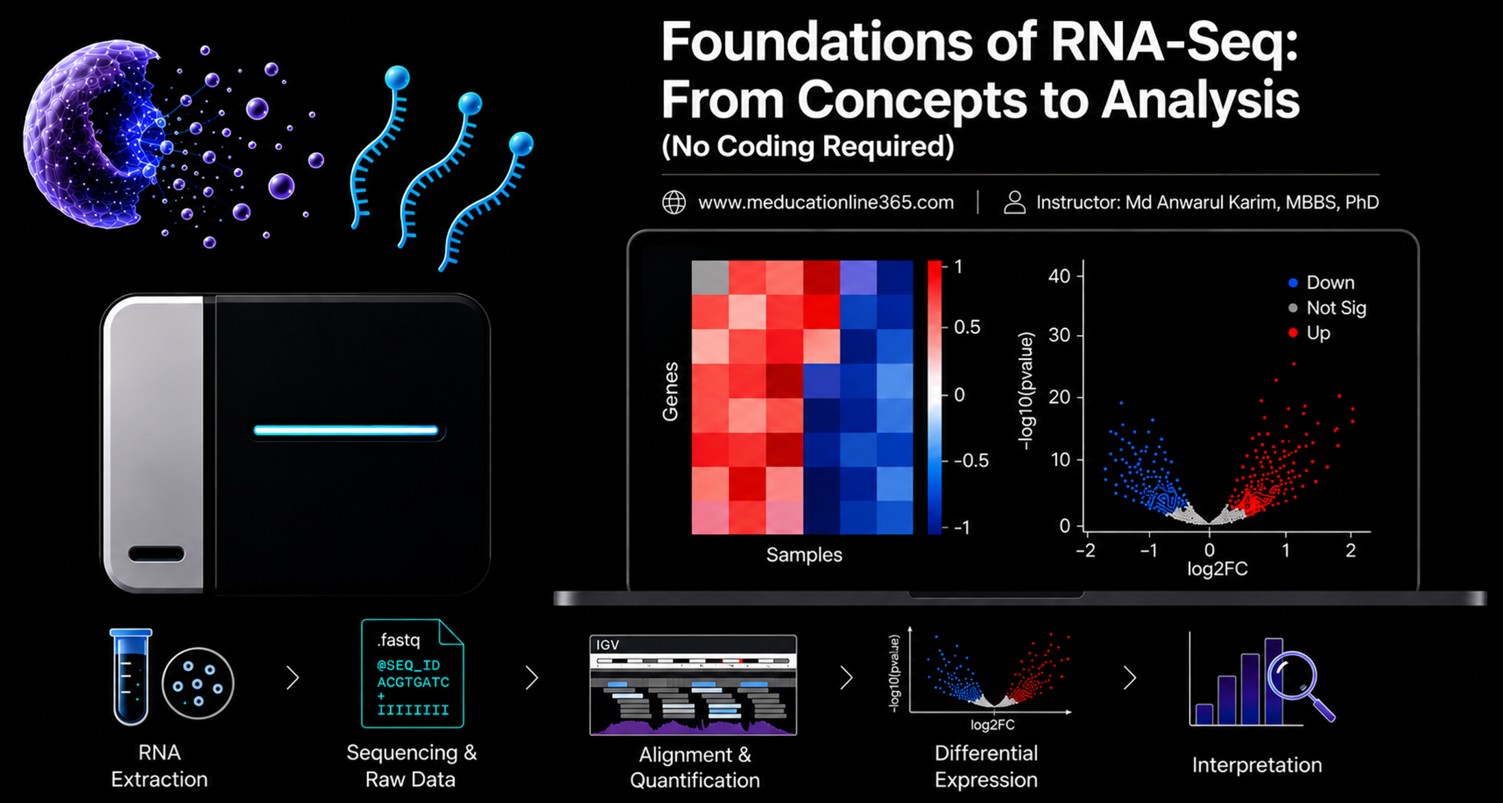
Foundations of RNA-Seq: From Concepts to Analysis (No Coding Required)
Course Summary
Learn the complete workflow of RNA-Seq, from essential biological principles and next-generation sequencing (NGS) concepts to practical data analysis. This no-coding course is designed for medical and biomedical learners who want to confidently perform RNA-Seq data analysis.
Course Description
This course introduces you to the world of NGS and transcriptomics in a clear, step-by-step manner. The focus is on building a broad conceptual understanding and hands-on analysis skills that empower you to perform RNA-Seq data analysis independently, without getting lost in complex statistics, technologies, or coding.
The course begins with the fundamental principles of gene expression and NGS, provides an overview of the RNA-Seq workflow, and then guides you through the complete RNA-Seq analysis pipeline using a user-friendly analysis environment that requires no coding skills.
Through detailed instructions with recorded practical videos and lectures in Bangla, live interactive sessions, curated external resources, readings, worksheets, and quizzes, you will learn to perform key steps in RNA-Seq data analysis, including quality control, read alignment, gene expression quantification, differential expression, and enrichment analysis. A real published dataset from an international peer-reviewed journal will be used throughout the course, allowing you to practice each step of the workflow in a structured, hands-on manner, and eventually reproduce the results of the published paper. In the final phase, you will complete a capstone project, presenting your findings in a format that simulates a research presentation, thus building your confidence and competence to independently perform RNA-Seq analyses.
By the end of the course, you will be able to:
- Explain key concepts and terminology in NGS and RNA-Seq.
- Perform RNA-Seq data analysis from raw reads to biological interpretation without any coding.
- Present your RNA-Seq analysis results in a format that mimics a research presentation.
This course is ideal for:
Undergraduate students, graduate students, postdoctoral researchers, and professionals in medicine, biology, and related fields with no prior coding or bioinformatics experience. It is particularly beneficial for those who want to conduct research using RNA-Seq or prepare for higher studies and research opportunities, such as MS, PhD, or postdoctoral positions in competitive research programs.
Instructor:
This course will be taught by Dr. Md Anwarul Karim (Mijan), currently a Postdoctoral Researcher at Baylor College of Medicine, USA. Dr. Karim graduated with an MBBS from Chittagong Medical College and earned his PhD in Genetics from the University of Hong Kong.
Throughout his PhD and postdoctoral training, he has extensively analyzed next-generation sequencing (NGS) data, including whole-exome sequencing, bulk RNA-Seq, single-nucleus RNA-Seq (snRNA-Seq), and Xenium spatial transcriptomics datasets. During his PhD, he identified novel candidate genes associated with Hirschsprung disease using whole-exome sequencing. He is currently conducting research on Spinocerebellar Ataxia Type 1.
In addition to his doctoral and postdoctoral training, Dr. Karim has completed numerous specialized courses and workshops at internationally renowned institutions, including the Wellcome Genome Campus (Hinxton, Cambridge, UK) and the Max Planck Institute of Molecular Cell Biology and Genetics (Dresden, Germany).
Dr. Karim also has extensive experience in teaching and e-learning through his work at the University of Hong Kong and Chattogram International Medical College. He has authored more than 15 peer-reviewed research articles in international journals and has presented his research at multiple international scientific conferences.
To view the instructor’s complete curriculum vitae, please visit this page.
RNA-Seq Course Enrollment Form
Click below to begin enrollment process.
➜ Fill Out RNA-Seq Course Enrollment FormFoundations of RNA-Seq: From Concepts to Analysis
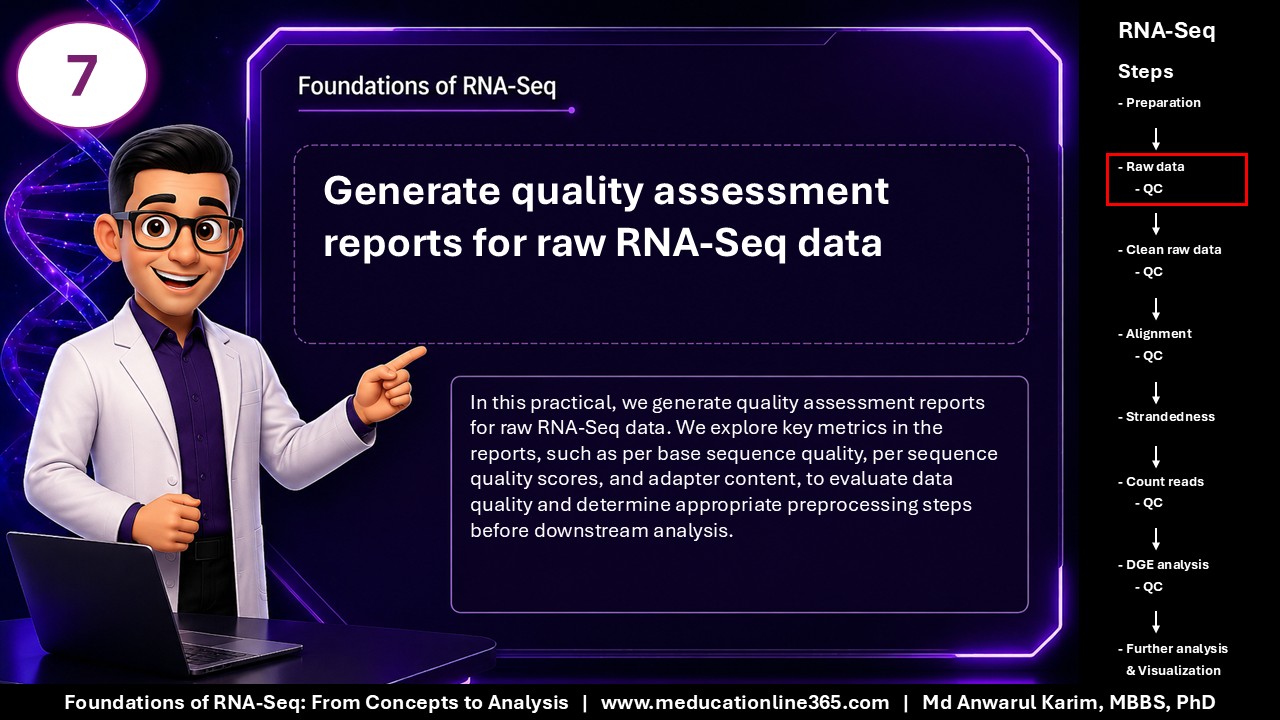
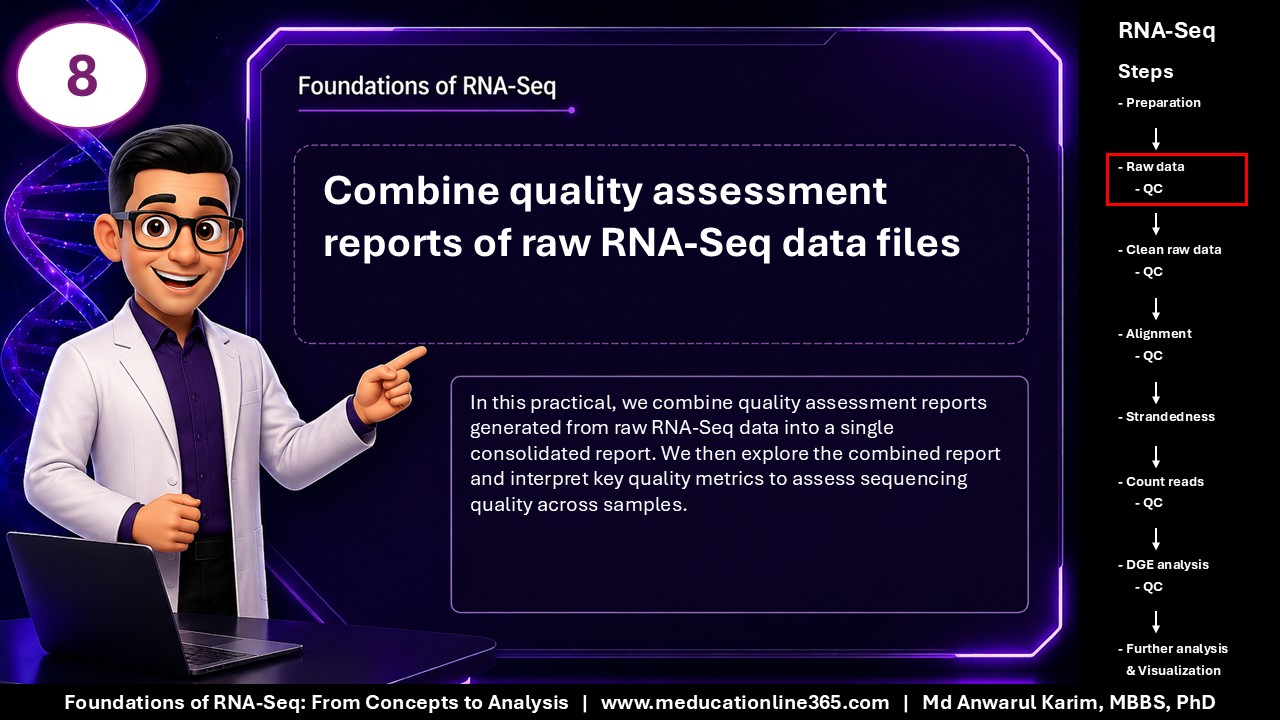
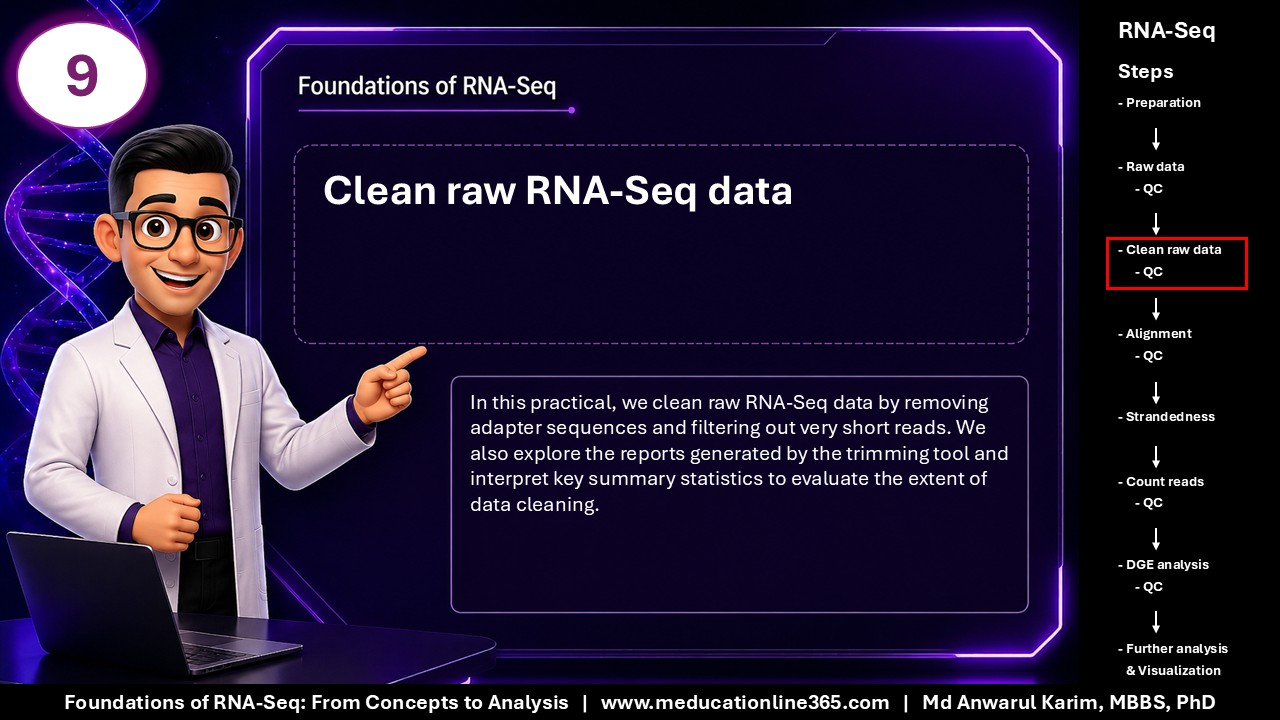
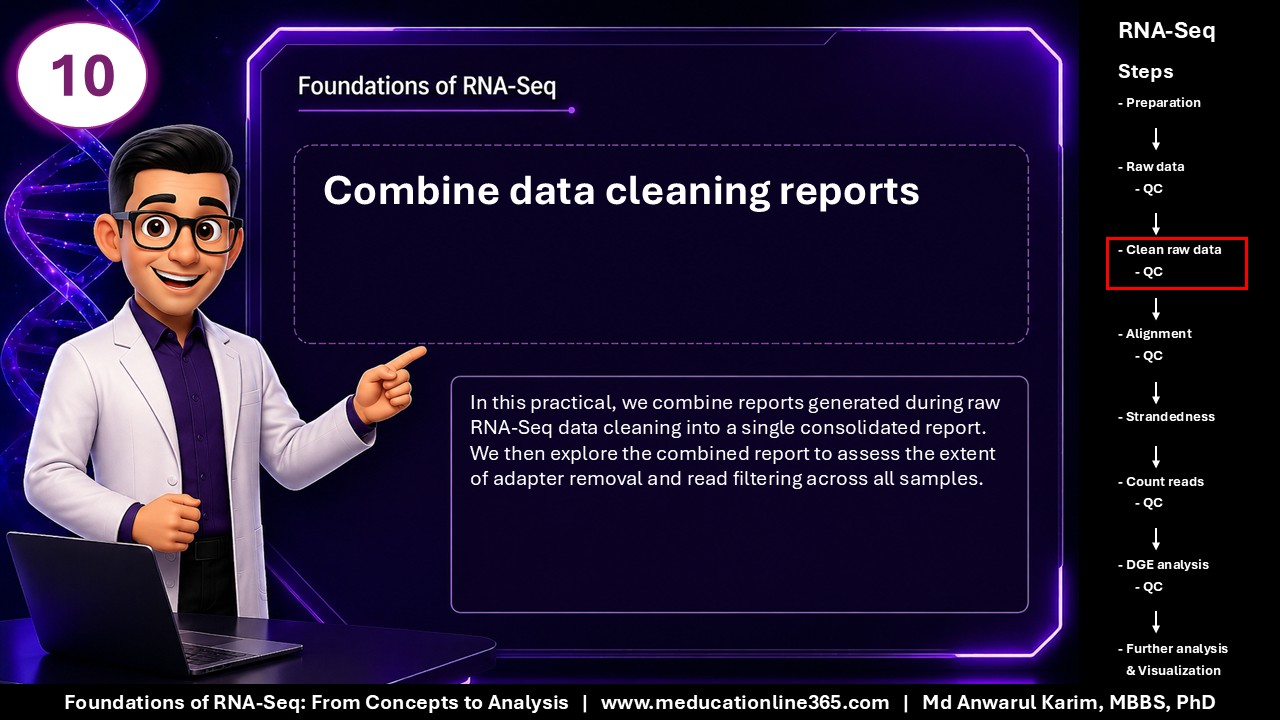
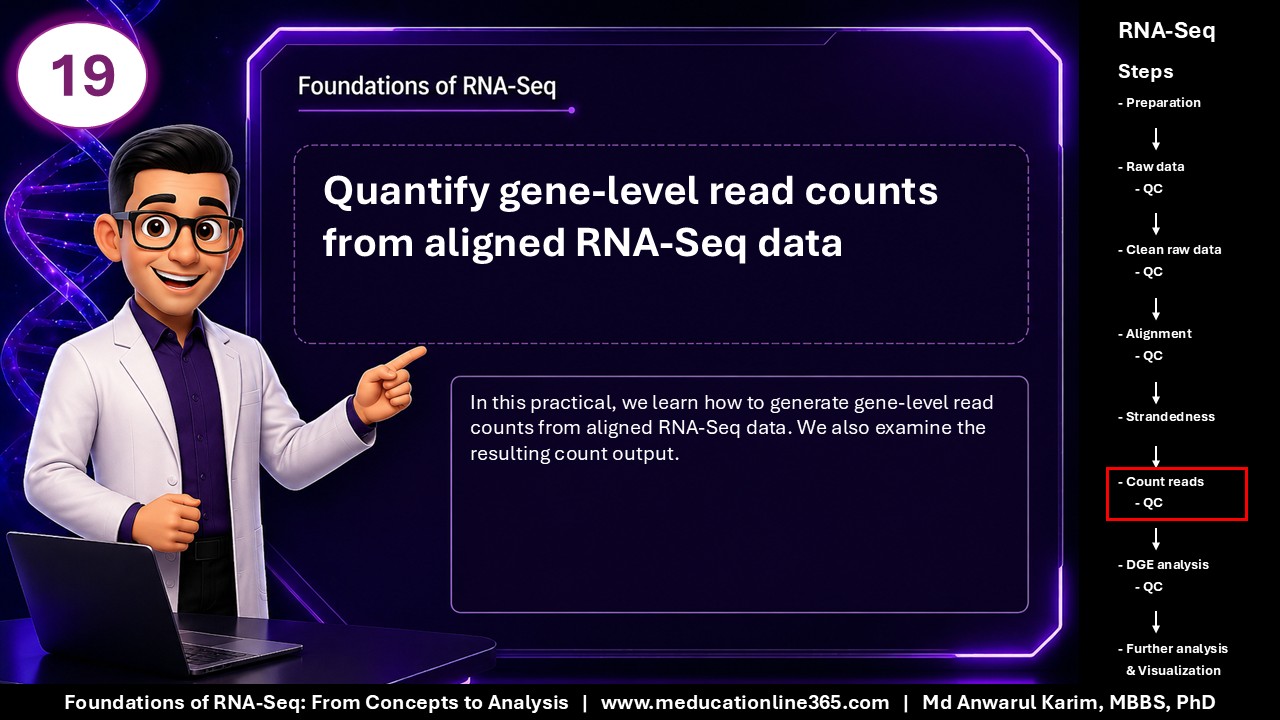
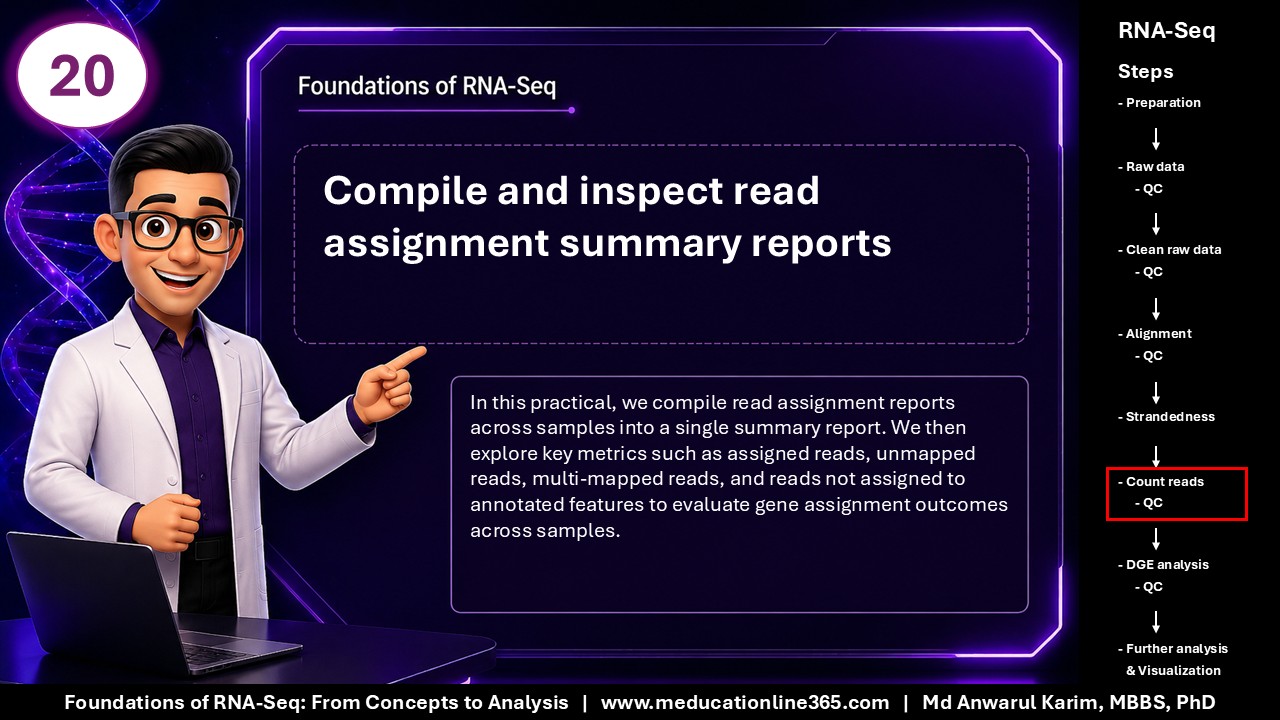
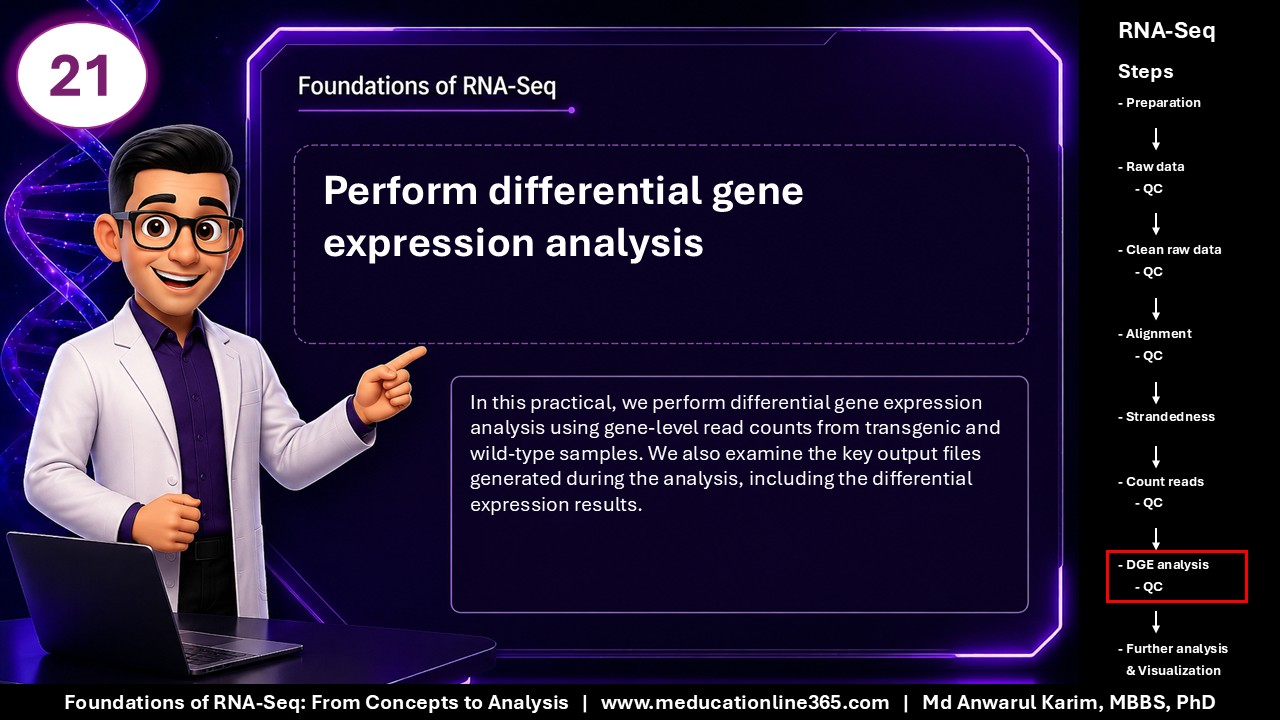
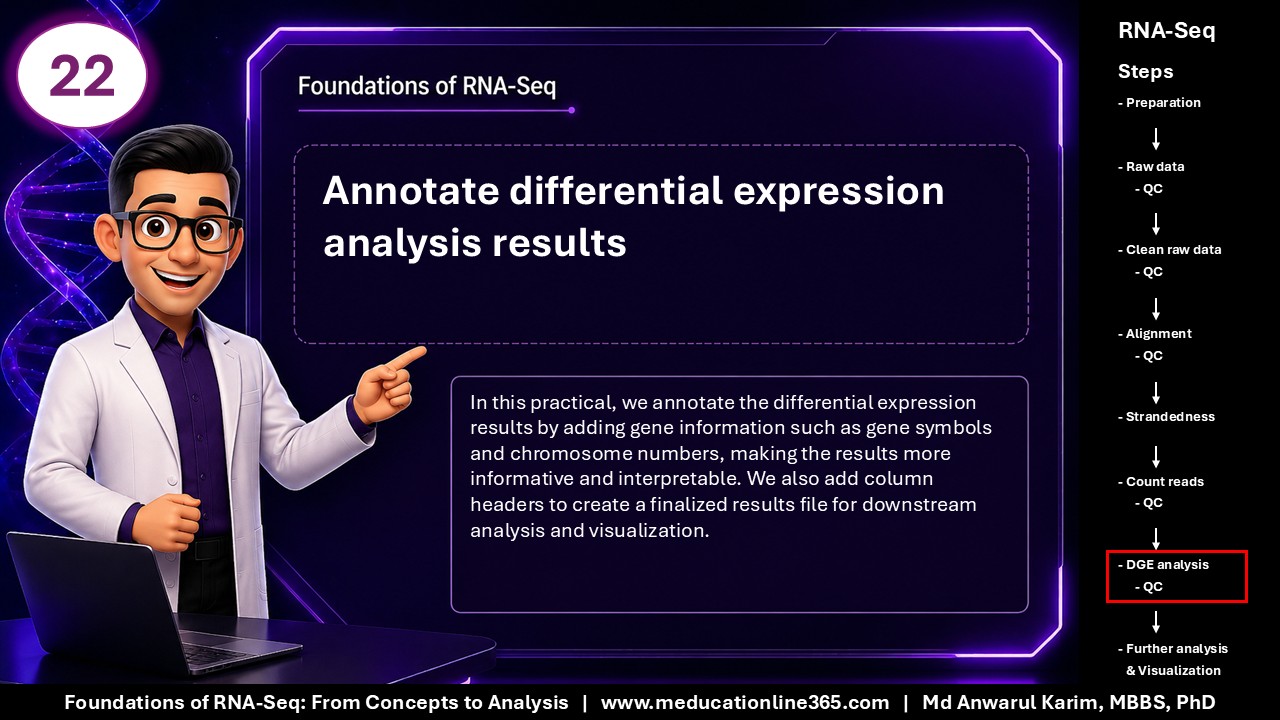
No Coding RequiredA complete RNA-Seq learning experience combining theory and hands-on analysis using real sequencing data. Below is an overview of the hands-on skills covered in the practical section.
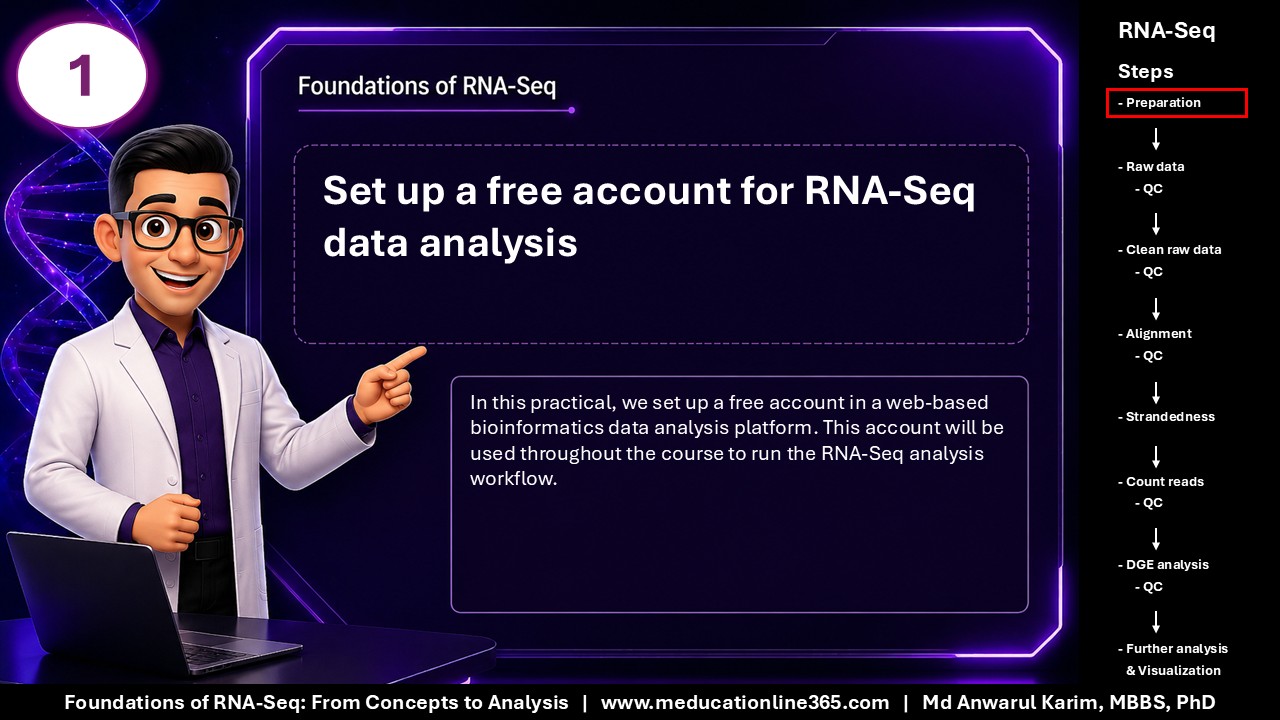
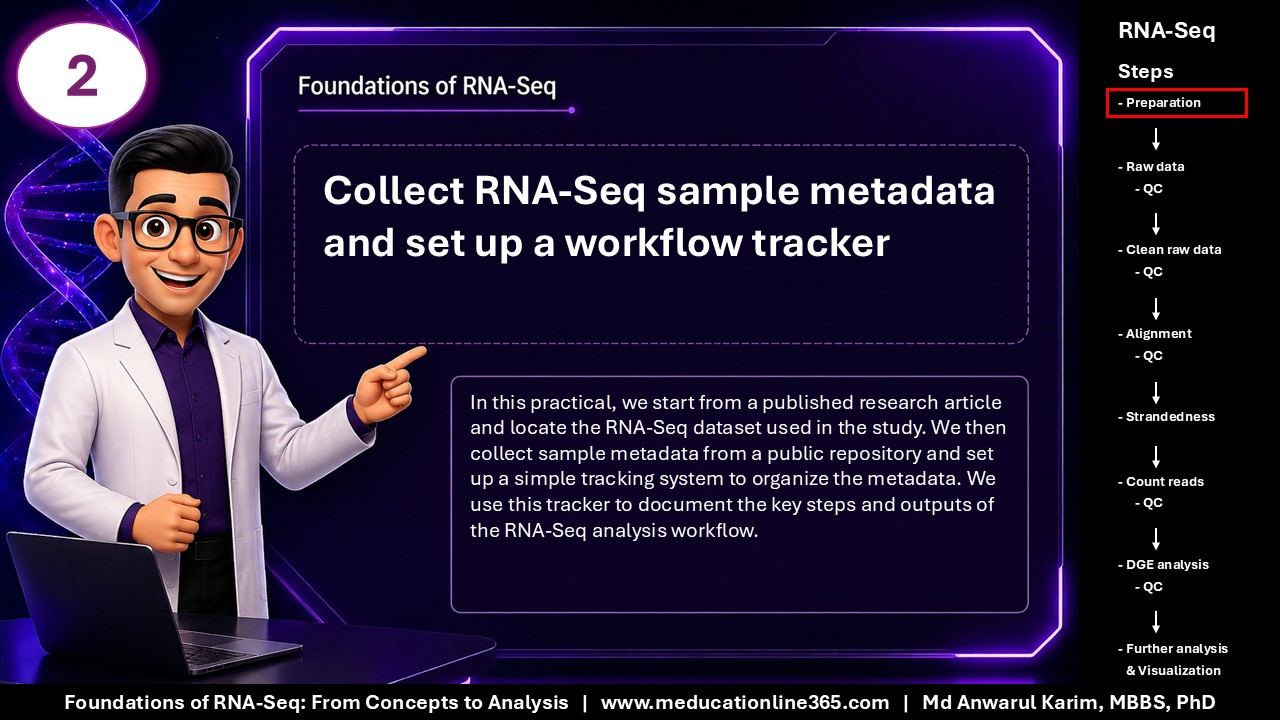
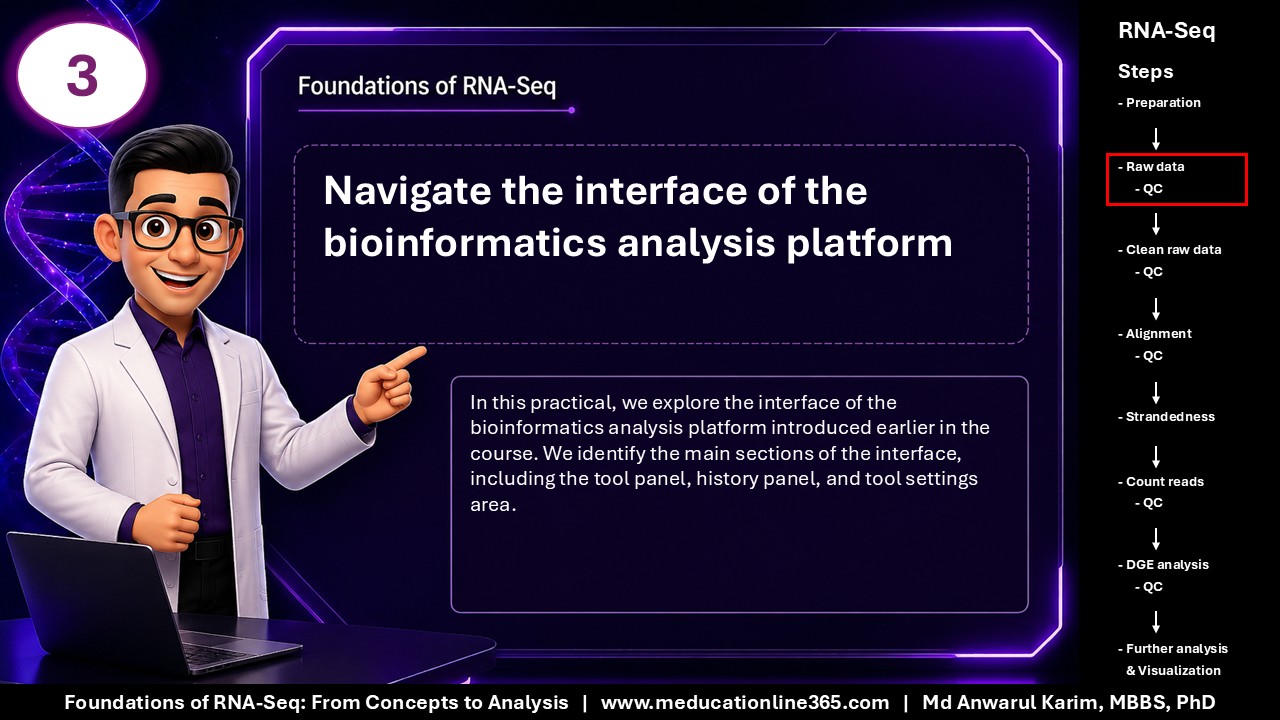
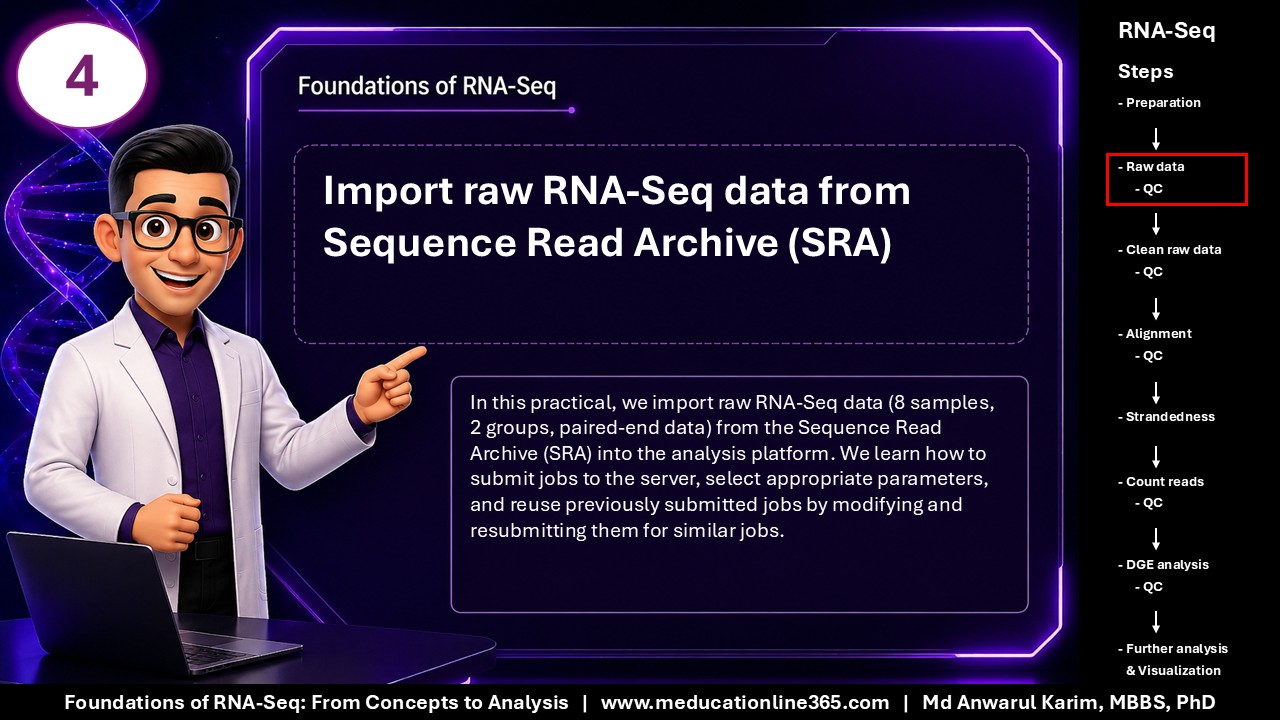
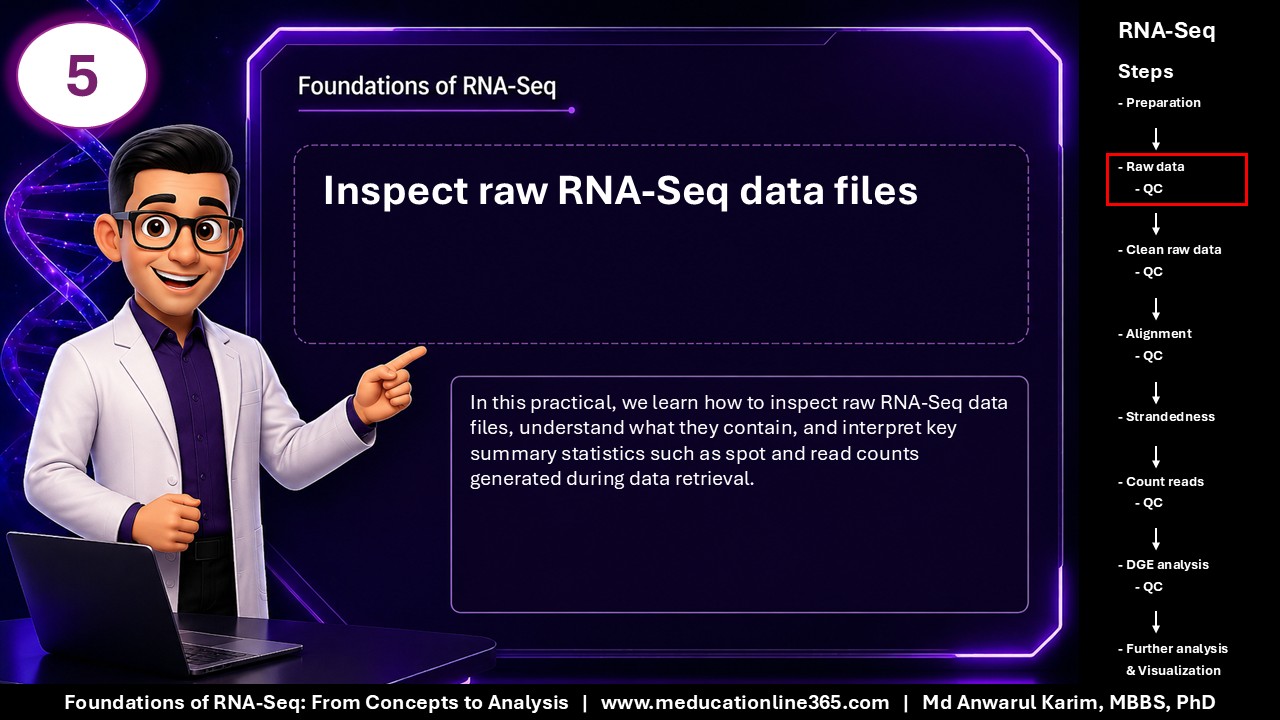
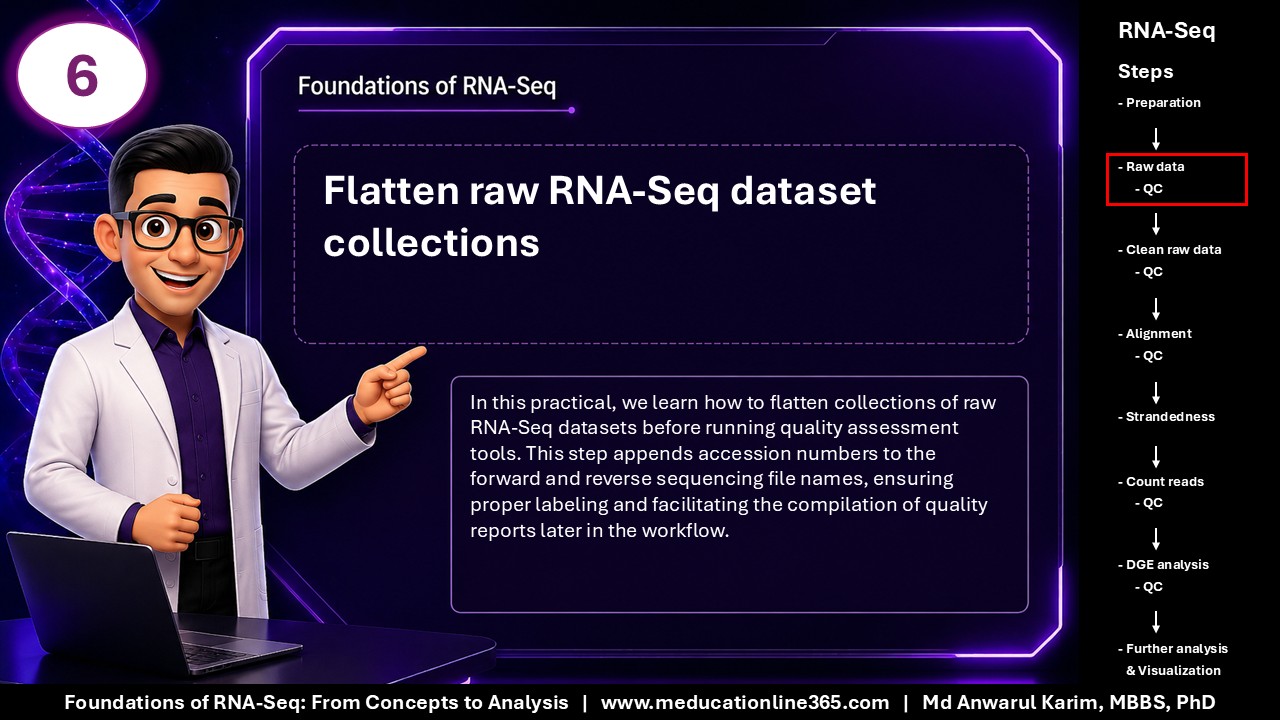
Course Timeline
Foundations of RNA-Seq: From Concepts to Analysis (No Coding Required)
Md Anwarul Karim, MBBS, PhD
Course Format
- Hands-on practical videos (Bangla): Clear, step-by-step demonstrations of key concepts and workflows. This practical training uses a real RNA-Seq dataset from a peer-reviewed publication, allowing you to answer real biological questions just like in a published research study.
- Curated conceptual videos (English) and recoded lectures (Bangla): This is to further enhance understanding of the RNA-Seq workflow and practical contents.
- Interactive live sessions: To interactively discuss the key concepts and Q/A.
- Concept notes and MCQ questions: Concise concept notes, problem-based and simple recall type MCQs to summarize key topics and self-assessment.
- WhatsApp community support: For troubleshooting, peer learning, and faster announcements.
- Delivered via Moodle: A learning management system widely used by top global universities.
- Mostly flipped classroom model: The core learning content is delivered through Moodle for structured self-paced learning, while live interactive sessions are dedicated to discussing key concepts, addressing questions, and reinforcing understanding.
- Biomolecules and the flow of information
- Detection of biomolecules: Small-scale approaches
- Detection of biomolecules: Large-scale approaches
- Overview of NGS
- NGS sample preparation
- Raw sequencing data file format
- Moodle Practical 1: Preparing for RNA-Seq data analysis
- Overview of RNA-Seq workflow
- The RNAverse and the mRNA enrichment methods
- Unstranded vs. Stranded RNA-Seq
- Moodle Practical 2: Analysis platform interface navigation and RNA-Seq data import
- Assessing sequencing data quality
- RNA-Seq reads alignment/mapping
- Moodle Practical 3: Flattening raw RNA-Seq dataset collections and assessing raw data quality
- Moodle Practical 4: Cleaning raw RNA-Seq data
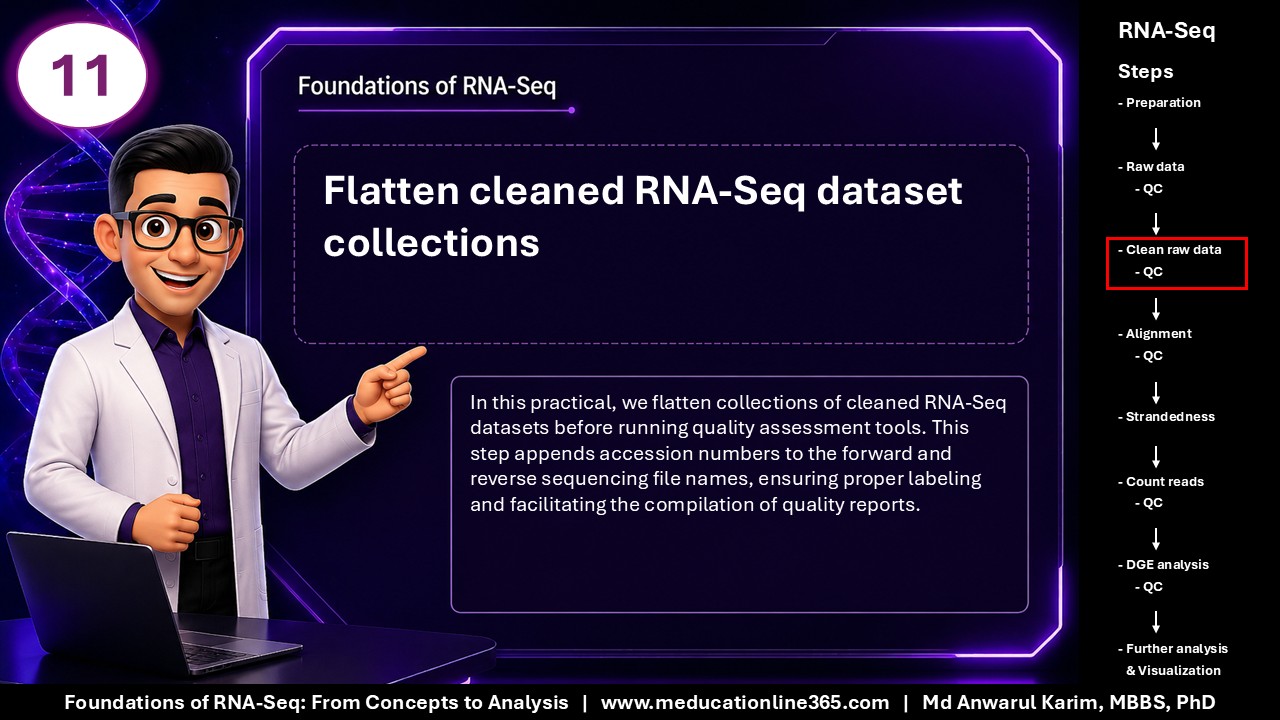
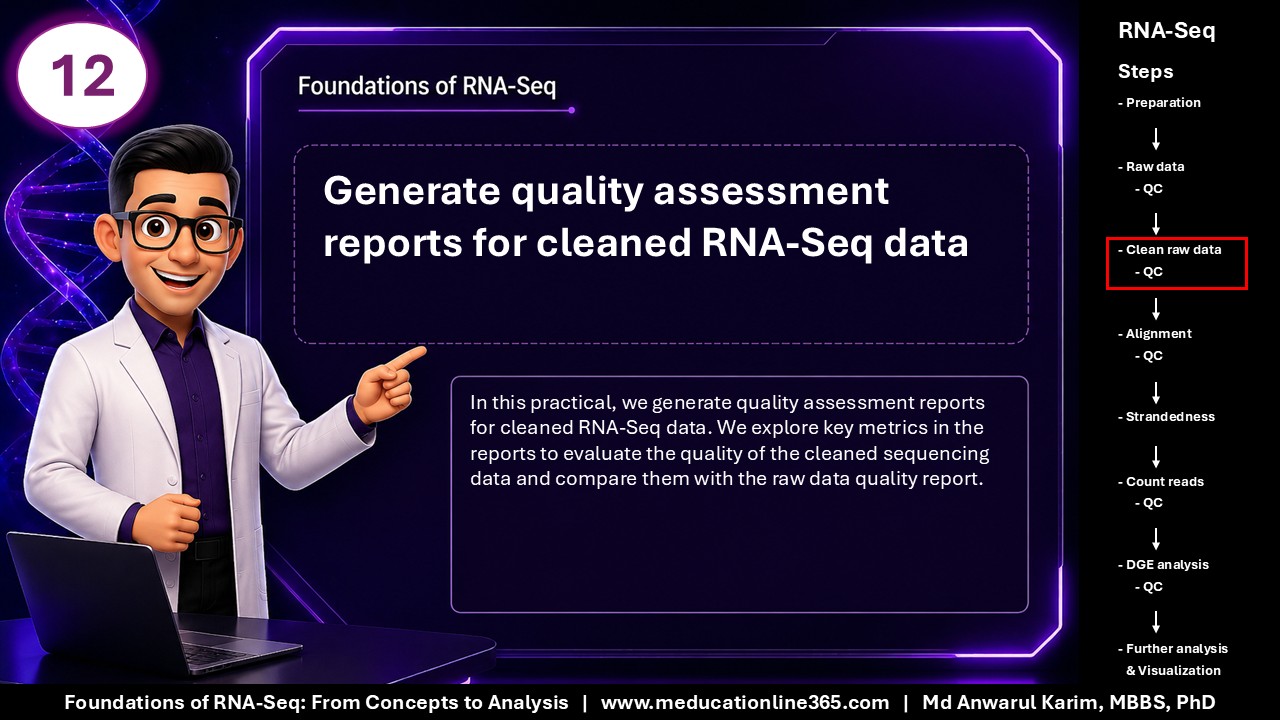
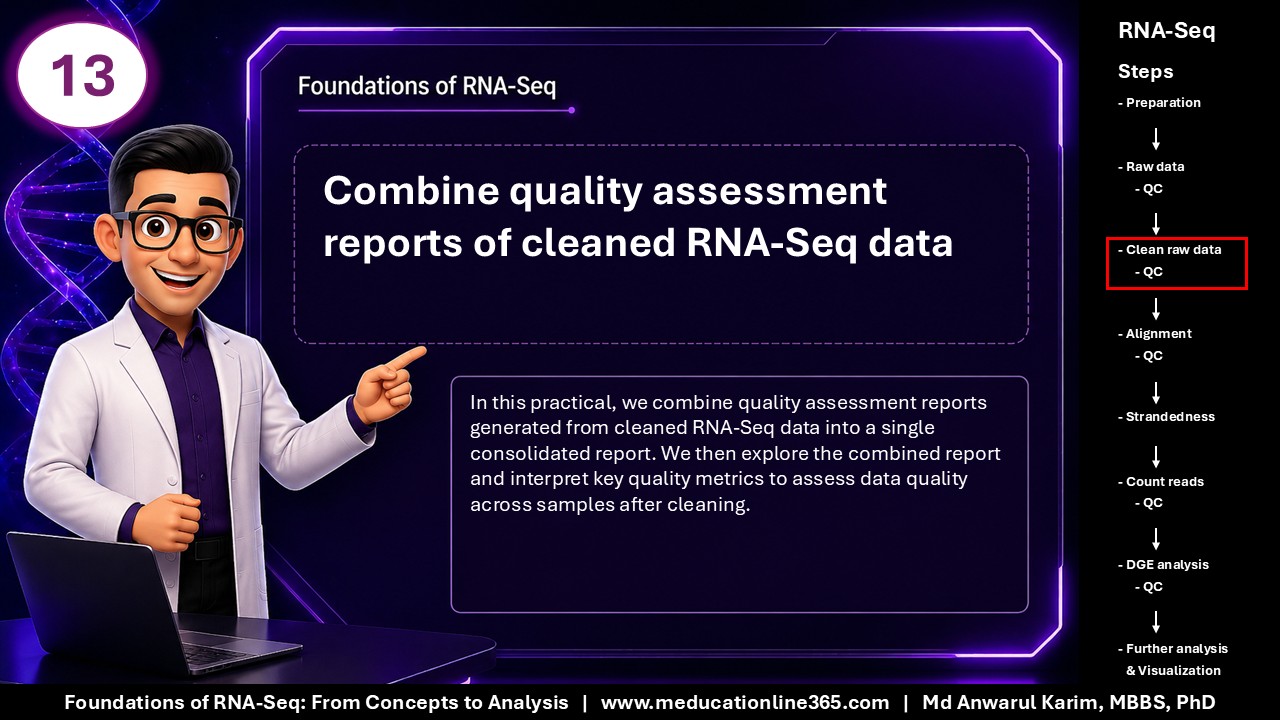
- Moodle Practical 5: Flattening cleaned RNA-Seq dataset collections and assessing data quality
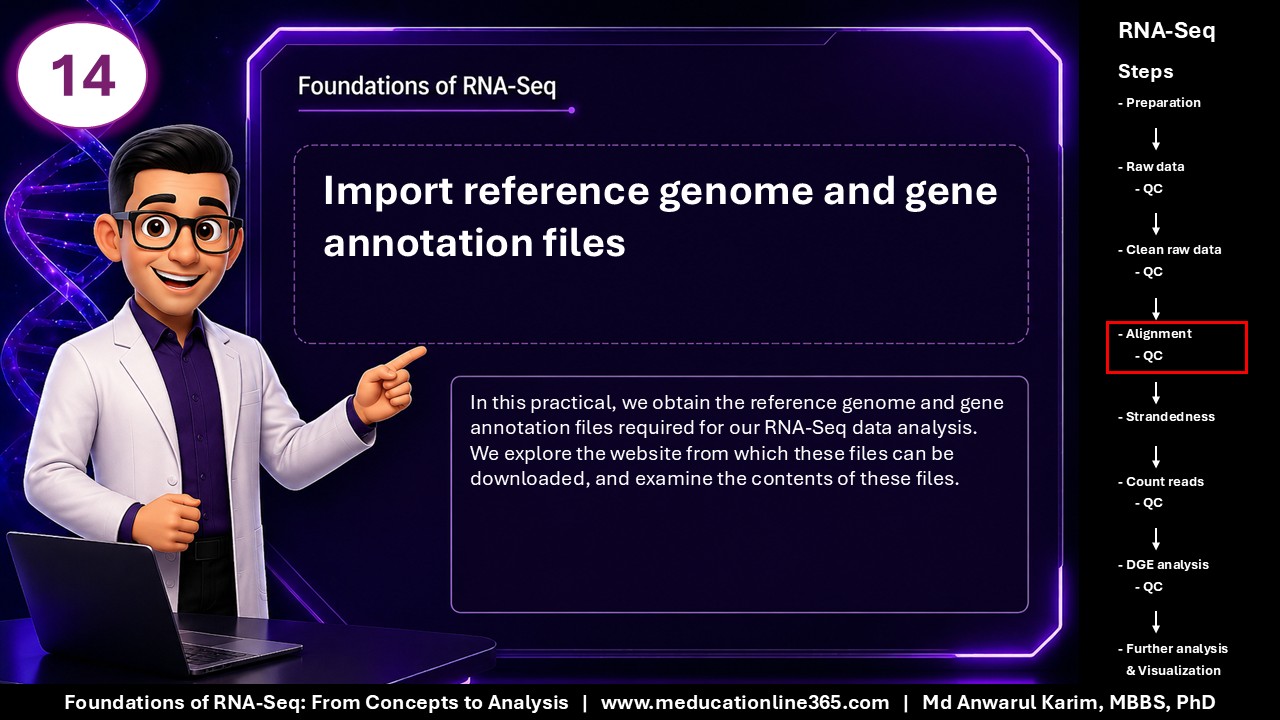
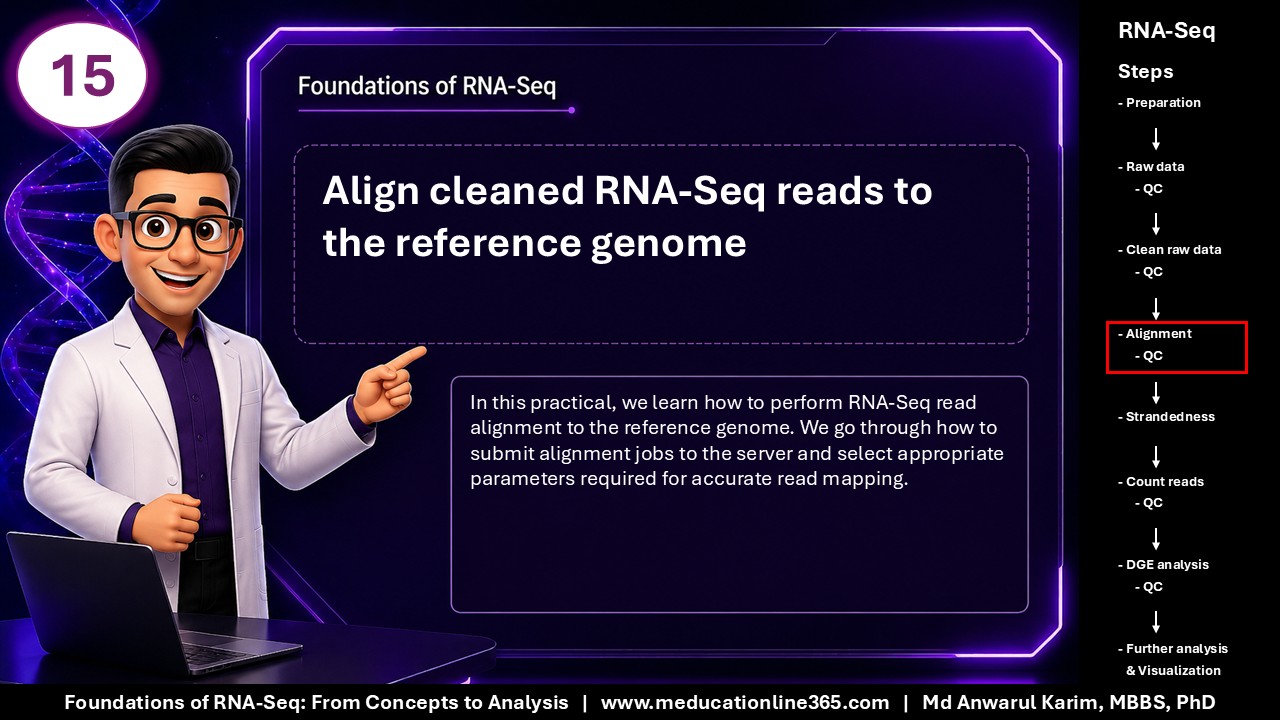
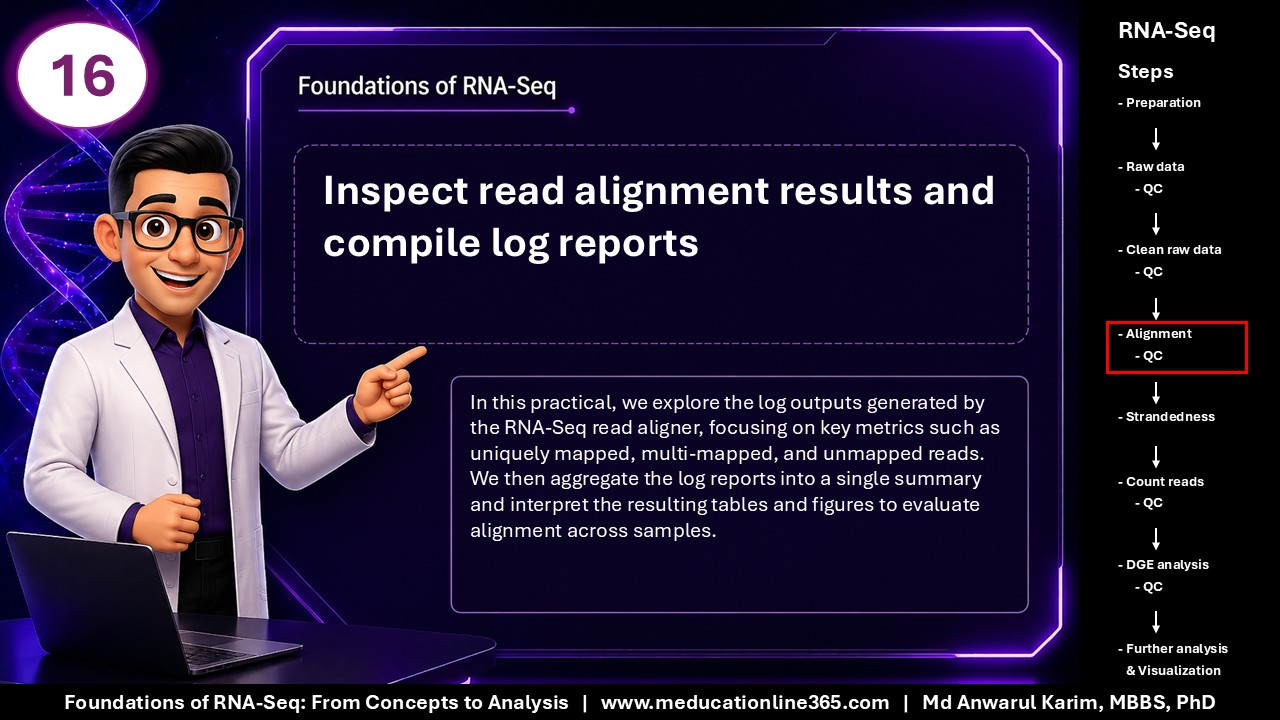
- Moodle Practical 6: Aligning cleaned RNA-Seq reads to the reference genome
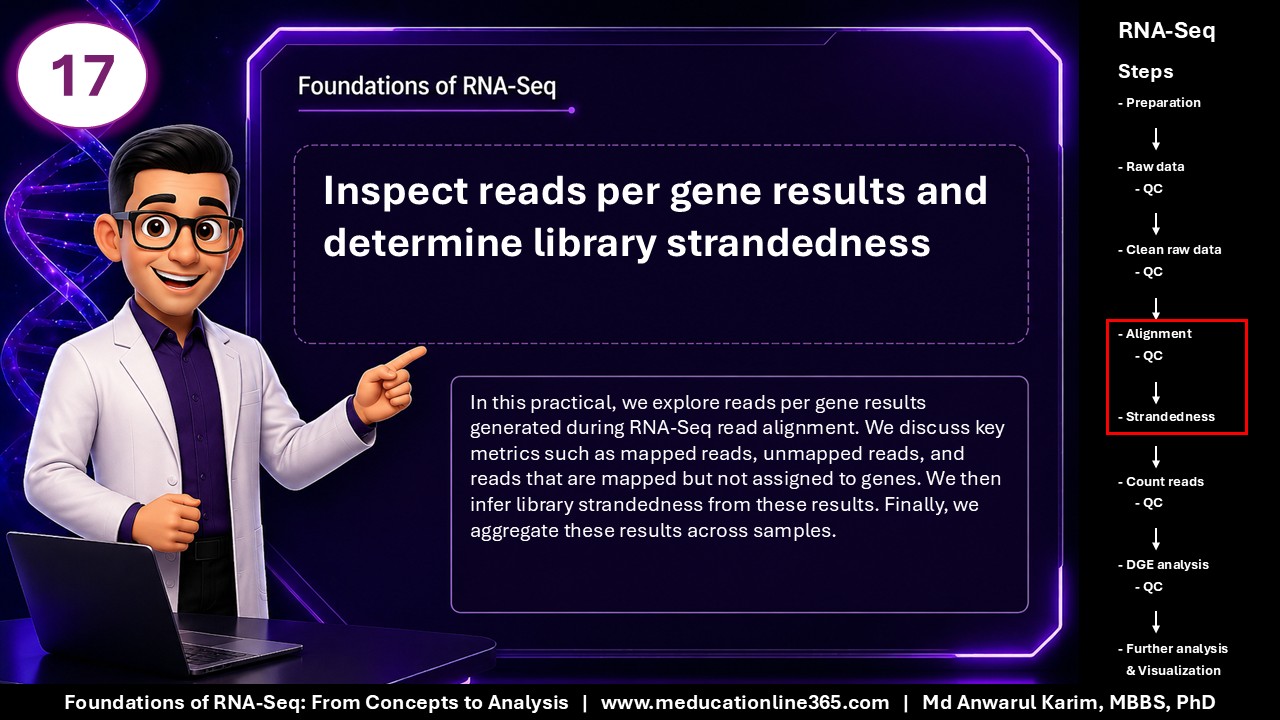
- Moodle Practical 7: Quantifying gene expression from aligned RNA-Seq reads
- Differential gene expression analysis
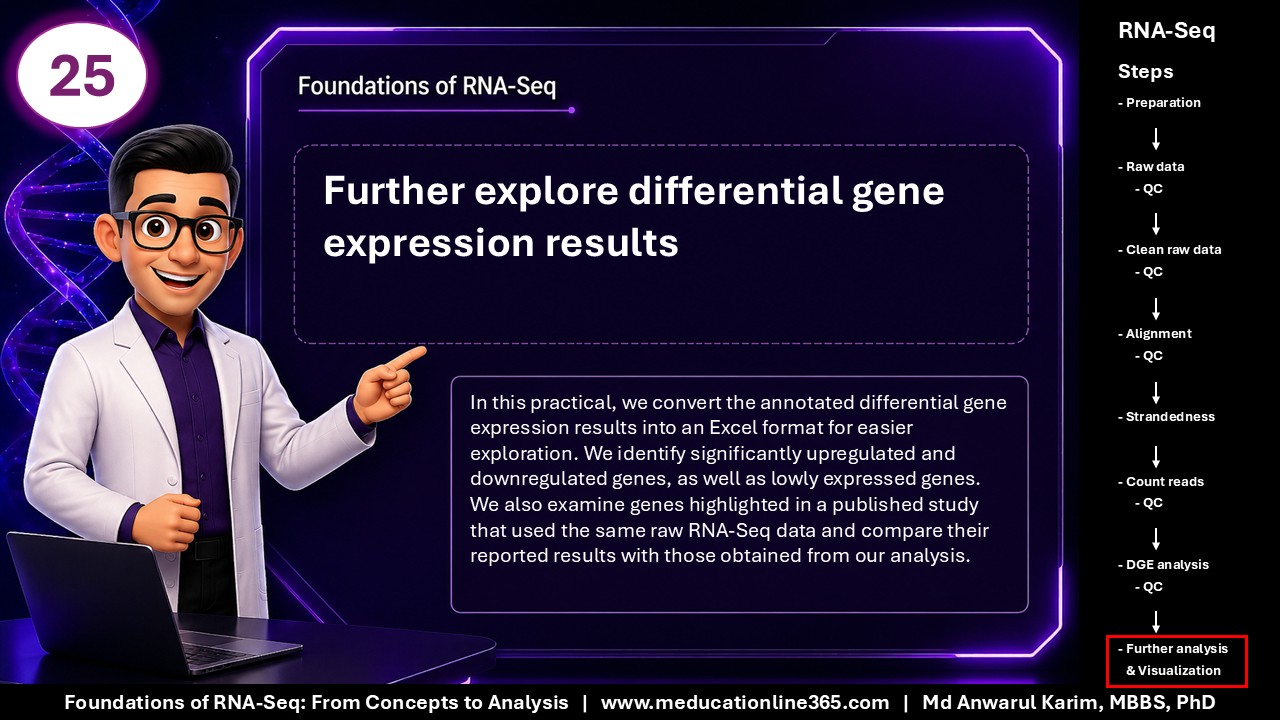
- Moodle Practical 8: Differential gene expression analysis and annotation of results
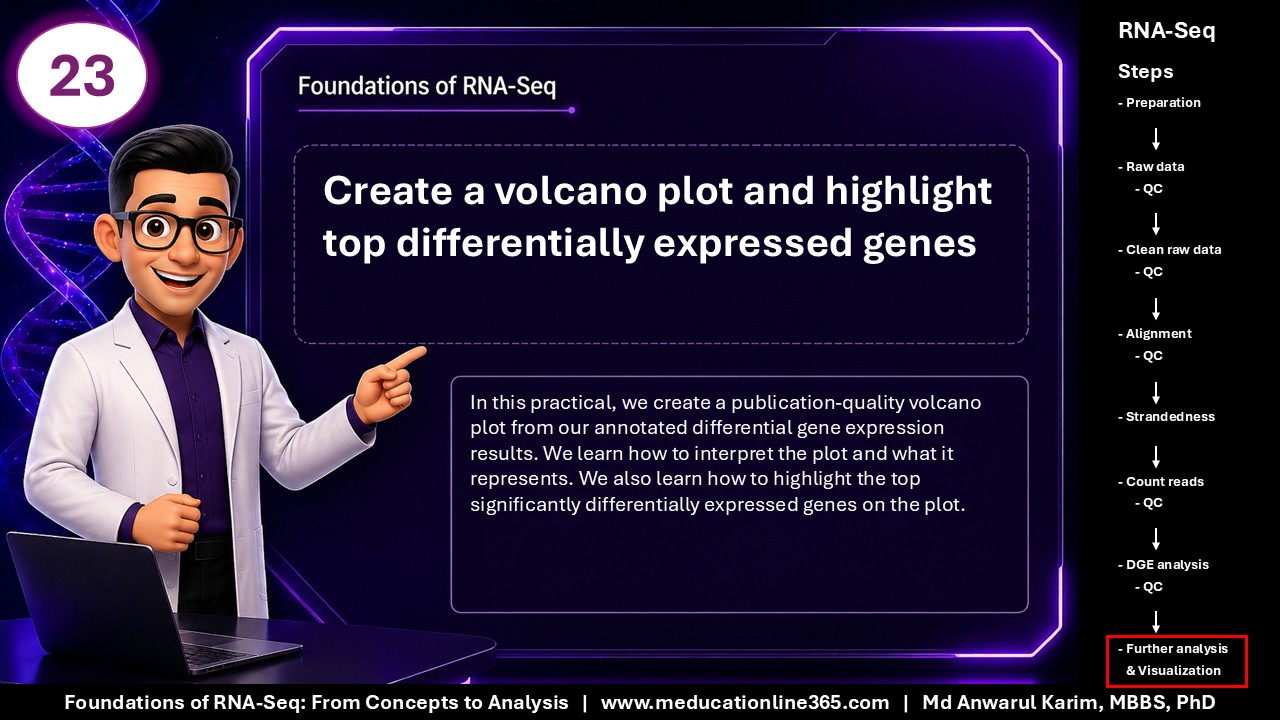
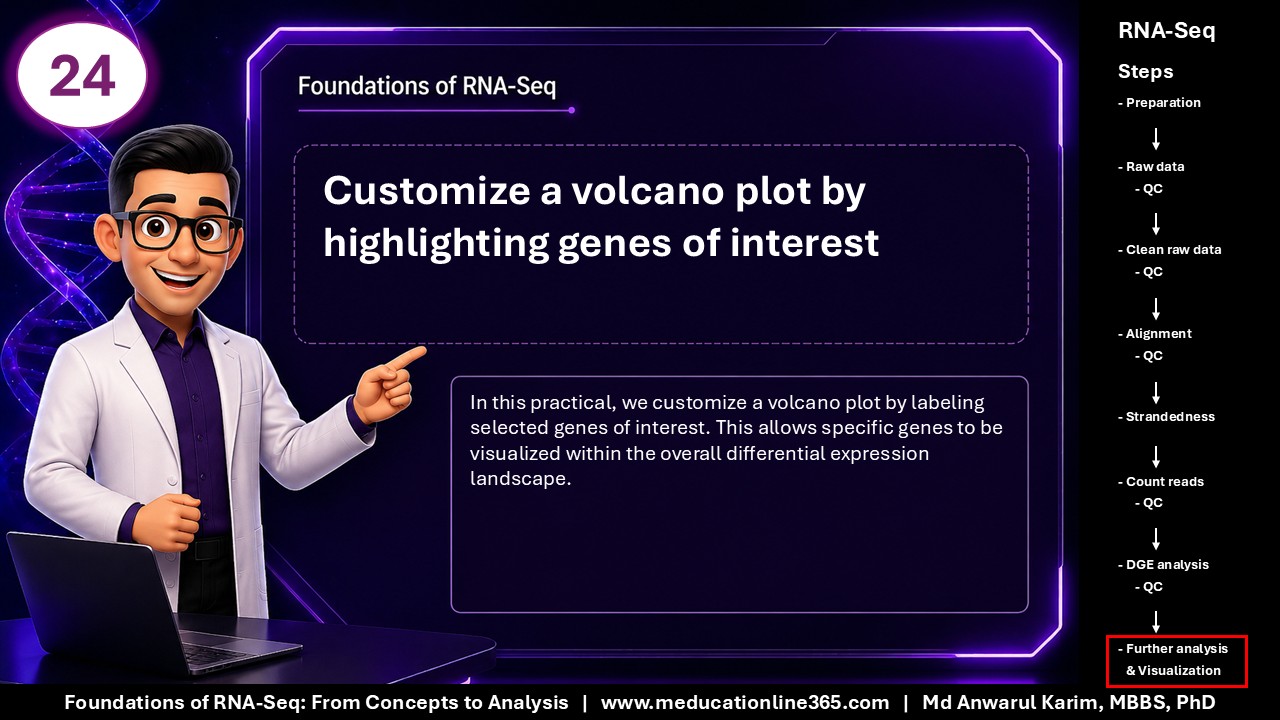
- Moodle Practical 9: Creating volcano plot
- Gene set analysis: ORA and GSEA
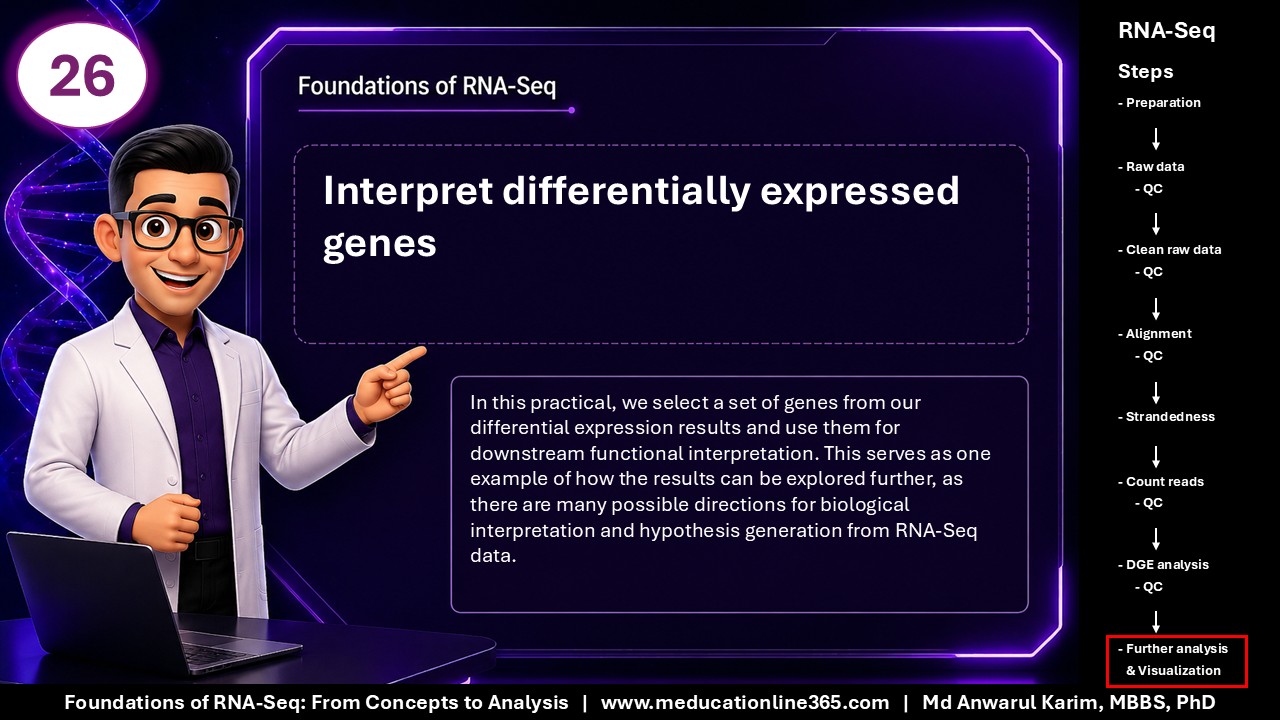
- Moodle Practical 10: Biological interpretation of differentially expressed genes
- Moodle Practical 11: Heatmap, over-representation analysis (ORA), gene set enrichment analysis (GSEA)
Estimated course workload
| Component | Approximate duration |
|---|---|
| Hands-on practical videos | ~8.5 hours |
| Recorded sessions / Curated conceptual videos | ~15 hours |
| Live sessions | Variable |
| Notes / MCQs / Capstone | Variable |
Recommended commitment: 5 hours per week
Note: The durations shown represent the approximate total length of the video content available on Moodle. The actual time required for understanding, note-taking, and independently performing the practical exercises may vary significantly depending on individual background and learning pace.
Participant Feedback
Motaher Hossain, PhD
Postdoctoral Research Associate
Department of Microbiology, University of Illinois Urbana-Champaign
(At the time of the course)
Previous degree:
PhD, University of Illinois Urbana-Champaign, USA
BS and MS in Biochemistry and Molecular Biology, University of Dhaka, Bangladesh
This course, Foundations of RNA-Seq: From Concepts to Analysis by Md Anwarul Karim (Mijan) bhai, was extremely helpful for me. I had tried learning RNA-seq before using command-line tools, but since I had no coding experience, especially in the terminal, I found it intimidating, and I quit. It was not necessarily difficult, but everything was new, and coding can be overwhelming for a beginner.
What made this course different was that it did not require coding. Mijan Bhai taught the complete RNA-seq workflow, mainly using the Galaxy platform, along with several useful online tools.
The course was very well organized. Having completed my PhD in the U.S., I have taken many graduate courses and used platforms such as Blackboard, Moodle, Canvas, and LON-CAPA. Mijan Bhai used Moodle very effectively to organize all the course materials in one place. For each topic, he included relevant YouTube videos for conceptual understanding, concise notes, recorded practical sessions, and weekly online classes. The practical videos and online classes were particularly useful because he explained each step in detail, including the tools, parameters, input and output files, how to interpret the results, and which files to use for the next step. We could then reproduce the same analysis ourselves, which made the learning process very practical.
I think this is an excellent course for beginners, especially those who are interested in RNA-seq but feel intimidated by coding. It provides a complete understanding of the workflow—from basic concepts and raw sequencing data to differential expression and downstream analysis—in an accessible and hands-on way.
I found Mijan Bhai as a teacher very knowledgeable, sincere, passionate, dedicated, and professional. He was very generous in sharing his knowledge and put a lot of effort into making sure the participants understood both the concepts and the practical analysis and reproduced the results. I would highly recommend this course to anyone who wants to build a strong foundation in RNA-seq analysis.
Golam Syedullah
Master of Pharmacy, North South University, Bangladesh
Actively seeking PhD opportunities in Biomedical Sciences
(At the time of the course)
Previously:
Worked as a QA Officer at a leading pharmaceutical company
This course is simply on another level compared to anything else online! Honestly, I don’t think you could find a more comprehensive course on Molecular Biology and NGS analysis with this much depth, not just in Bengali, but even in English.
I was actively looking for an online RNA-seq course when I saw a Facebook post from Dr. Md Anwarul Karim vaiya. I’d been following him for a long time, so I already knew how well he teaches and breaks down complex concepts. I enrolled without a second thought, and I couldn’t be happier with that decision!
Anwarul vaiya is an exceptional instructor. The course organization is amazing, seamlessly taking you from the basics of fundamental Molecular Biology all the way to advanced RNA sequencing. The best part? It’s perfect for anyone who wants to learn the ins and outs of RNA-seq but is afraid of coding. If you need to do RNA sequencing analysis on a daily basis but feel limited by your coding skills, this is the perfect opportunity to upskil.
The self-paced videos and quizzes on the Moodle platform were incredibly helpful for grasping the core concepts so I could actually apply them to my own data. I highly recommend this to anyone wanting to master RNA sequencing analysis!
End-of-Course Presentation
Abu Torab Rahman Mahi
4th Year MBBS Student
Rangpur Medical College, Bangladesh
(At the time of the course)
Being an MBBS 4th-year student, I have always been more familiar with clinical subjects than computational analysis. I joined this RNA-seq course because I wanted to understand how modern biological data can be translated into meaningful research findings. I had some prior exposure to RNA-seq, but I wanted to move beyond simply following a workflow and actually understand how the analysis works.
The course gave me a completely different perspective on bioinformatics. I learned how raw sequencing data gradually turns into biologically meaningful information through different stages of analysis. Working with an actual published dataset and reproducing the analysis was one of the most interesting parts for me because it showed how computational methods can answer real biological questions.
I particularly enjoyed the practical aspect of the course. Using Galaxy allowed me to explore different steps of RNA-seq analysis in a much more manageable way, while the explanations helped me understand the reasoning behind the results. The course also encouraged me to look at genes and pathways from a biological perspective rather than treating the output simply as tables and numbers.
Dr. Mijan’s guidance made the learning experience even better. His explanations were easy to follow, and his willingness to discuss questions made it comfortable to learn something that was completely different from the usual medical curriculum.
This course has encouraged me to explore the intersection of medicine, biology, and computational research. I believe the skills I gained here will be useful not only for understanding RNA-seq but also for developing a stronger research mindset as a medical student. Overall, it was a very valuable learning experience, and I would recommend it to medical and life-science students who are curious about entering the world of computational biology.
End-of-Course Presentation
Md. Farhad Hossain, PhD
Postdoctoral Researcher
Medical College of Georgia, USA
(At the time of the course)
It’s a really well-organized course, and it helped me a lot to understand and learn RNA-seq data analysis. As a beginner, especially in a new field like bioinformatics, it has been very helpful.
In this course, I learned how to analyze RNA-seq data without coding, which is truly impressive. I also want to mention an important point: after each live session, we got practical tasks from the course instructor that helped me catch up and remember the lecture content. After finishing, we shared the updates in Moodle as well as the WhatsApp group and discussed further if anyone faced difficulties.
Overall, it’s really amazing. I believe the skills I learned from the course will definitely help me in my future research as a molecular biologist. Now I already have experience making a volcano plot, PCA plot, and heatmap.
Thank you very much to the course instructor, Dr. Md Anwarul Karim.
Samiha Kaisar, MBBS, MPH
PhD Student
Department of Oncological Sciences, University of Utah
(At the time of the course)
Previous degree:
MBBS, Mymensingh Medical College, Bangladesh
MPH, National Institute of Preventive and Social Medicine, Bangladesh
Coming from a medical and public health background, I had very little experience with bioinformatics. Although I had previously worked with RNA-seq data using Unix-based pipelines, I frequently found the computational aspect challenging and struggled to fully comprehend what was happening at each stage of the analysis. This course helped bridge that gap. The lectures were clear, well-organized, and explained not only how to perform the analysis, but also why each step was important. The hands-on Galaxy sessions made RNA-seq analysis much more approachable and allowed me to work with real datasets without feeling overwhelmed by coding. I especially appreciated how patient and encouraging Dr. Karim was, always taking the time to answer questions and explain concepts in simple language. By the end of the course, I felt much more confident interpreting RNA-seq results and applying what I learned directly to my own research. I would highly recommend this course to anyone who wants to develop a solid foundation in RNA-seq analysis. This course is especially beneficial for those with backgrounds in biology or medicine.
Tuhin Molla
4th Year DVM Student
Jashore University of Science and Technology, Bangladesh
(At the time of the course)
As a DVM student, whenever I studied any disease diagnosis in my course curriculum, the term “RNA-Seq” frequently appeared in the context of molecular-level diagnostics and so on. Yet, I never got a chance to learn how the entire process is carried out. However, when I attempted to learn it on my own, “coding” proved to be a major hurdle. In that situation, this course came to my rescue.
Although I felt a bit apprehensive at first, the fear gradually vanished once I started the course. The way Mijan sir explained every topic in the live classes was truly outstanding. He used to clarify all the concepts so easily through question-and-answer interactions in every live class. After the live sessions, when I conducted the practical exercises on my own, I was able to understand each concept and step with great ease. Even when I discussed practical issues with Mijan sir, he provided the correct solutions to every problem with patience, which is truly praiseworthy.
This course greatly helped me clearly understand every step of RNA-Seq analysis, from raw data processing to differential gene expression analysis, PCA plot, Volcano plot, heatmap, and GSEA. I can confidently say that upon completing this course, I have almost gained proficiency in RNA-Seq data analysis.
After completing this course, my interest in computational biology has grown significantly. I believe this course will pave the way for future research opportunities for me. So, for those with backgrounds in DVM, medicine, or life sciences, this course could be a golden opportunity to learn from the basic to advanced level.
Again, I want to thank my instructor, Dr. Md Anwarul Karim (Mijan) sir, for giving me this opportunity.
Neloy Kundu
PhD Student
UT MD Anderson Cancer Center and UTHealth Houston GSBS Program, USA
(At the time of the course)
Previous degree:
MS, University of Oklahoma Health Campus, USA
M. Pharm, Khulna University, Bangladesh
B. Pharm, Khulna University, Bangladesh
I really enjoyed this course and found it very useful for understanding bulk RNA sequencing and data analysis. The course provided a clear and practical overview of the RNA-seq workflow, and the hands-on practical videos were especially helpful in understanding how to analyze and interpret sequencing data. I also appreciated the way the instructor explained complex concepts and was always available to answer questions. Overall, this was a very informative and valuable course, and I am very satisfied with my learning experience.
A. T. M. Nahid Hasan
MSc (Biotechnology), University of Galway, Ireland
BSc (Microbiology), Stamford University, Bangladesh
The course provided excellent hands-on exposure to RNA-seq data analysis and helped me develop a stronger understanding of RNA-Seq data analysis workflows. The opportunity to work with real data and present the analysis and findings as part of the final presentation made the learning experience particularly meaningful.
I’m especially grateful to my instructor for his guidance, support, and valuable insights throughout the course. His instruction made complex concepts easier to understand and encouraged me to explore the field of bioinformatics and computational biology more deeply.
I would highly recommend this course to anyone interested in RNA-seq analysis,transcriptomics, bioinformatics, or computational biology, particularly those looking to gain practical experience alongside theoretical knowledge.
End-of-Course Presentation
Asma Aul Husna PINKEY
PhD Student
University of Texas El Paso, USA
(At the time of the course)
Previous degree:
B. Pharm, State University of Bangladesh
From the basics to the advanced topics, I learned a lot from this course. Every module introduced me to new concepts, and each one was explained in a very simple and easy-to-understand way. I believe that even someone without a biology background would be able to understand the instructor’s lectures. Overall, it was an excellent learning experience.
Fatima Noor Tanzeem
MSc (Biotechnology), BRAC University, Bangladesh
BSc (Genetics and Molecular Biology), University of Malaya, Malaysia
I’d first like to start with our trainer, Dr. Mijan Sir. His lectures went beyond analysis and delved deeper into the biological explanations and reasoning behind RNA-seq and its data analysis. Which is why reproducing RNA-seq data analysis and handling the multitude of files being generated at each step did not feel overwhelming. He made sure we understood not only the computational part but also the biology behind it all. Secondly, the curated videos were a lifesaver, as we could keep referring back to them any time we felt stuck. The MCQs and topic-end questions helped summarize what we learned in each module, and I was able to check my own progress. Throughout the whole course, no question, silly or complicated, was left unanswered, and Sir would personally attend to our problems. We were assisted with full support, and our basics were built from the ground up.
This course is an amazing stepping stone for beginners like me. For graduate students and postdocs, it is a great place to learn together, share knowledge, collaborate, and also fill up the gaps in their research! The course being taught is extremely relevant, given the current context, and also (to my knowledge) the first of its kind in Bangladesh for Bangladeshi scientists and students. I am grateful for the guidance and inspiration.
End-of-Course Presentationn
Shamima Sultana
Officer, R&DA, Incepta Pharmaceuticals Ltd.
Master of Pharmacy in Pharmacology & Clinical Pharmacy,
Department of Pharmaceutical Sciences, North South University, Bangladesh
(At the time of the course)
My journey with this course was truly amazing, as it introduced me to a new world of possibilities that could become a new area of research. As someone with a pharmaceutical background, it expanded my limited knowledge of next-generation sequencing, RNA-Seq data analysis, and molecular biology. The course was both advanced and beginner-friendly because it had all the necessary fundamentals that anyone can easily grasp. Also, the instructor’s interactive live sessions with the highly intellectual participants made it deeply informative.
The recorded live sessions and practical and concept videos on Moodle made it convenient for me to complete and review the whole course, as I am a job holder with little free time.
As an instructor, Dr. Anwarul Karim Mijan vai was incredible. I have never seen a more encouraging teacher in any other course. His way of teaching, engaging in in-depth discussion, going above and beyond to help someone when needed, and pushing the participants to cross the finish line and more made him and this course exceptionally amazing.
I am really thankful for his hard work and effort, and I hope to carry this knowledge with me into the next chapter of my life.
Sabihatun Nur Meem, MBBS
MS Student
Tennessee Tech University, USA
(At the time of the course)
Previous degree:
MBBS, Chattogram International Medical College, Bangladesh
This course provided an exceptionally rigorous and comprehensive foundation in RNA sequencing methodologies, spanning experimental design, library preparation, and complex bioinformatic pipelines for transcriptomic analysis. The practical emphasis on differential expression, transcript assembly, and quality control metrics significantly elevated my computational literacy and research efficiency in handling high-throughput genomic data.
I extend my sincere gratitude to the course instructor Dr. Karim, whose exemplary guidance, deep subject matter expertise, and structured mentorship were instrumental in demystifying the transcriptomic data analysis pipeline. His dedicated support fostered an intellectually stimulating learning environment that profoundly enhanced my academic and professional development in computational biology.